
Wine labels are not only used to decorate the bottle, but also convey essential information about the history of winemaking, the type of wine and the vintage. These labels are key to distinguishing wine bottles and expressing brands' identity. They are available in a variety of styles and materials, so every winemaker can find the one that suits them best to highlight the uniqueness of their products. Whether it's an elegant gold foil design or a modern, minimalist design, wine labels help distinguish wines and enhance the customer experience.


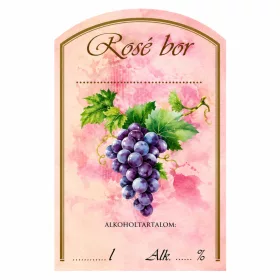
The selection of wine labels is extremely wide and varied, providing winemakers with the opportunity to emphasize the uniqueness and unique style of each bottle. Custom-designed labels often include details such as the grape variety, the wine's flavor profile, and the history and philosophy of the winery. This information not only provides a valuable reference point for connoisseurs, but also helps ordinary consumers navigate the world of wines.
The choice of label materials can also be diverse, from traditional paper to waterproof and durable materials, which ensure that the label retains its aesthetic value for a long time. A wide selection of graphics and typography allows the labels to always be in line with current trends and the style of the particular winery.
Furthermore, wine labels are not only important from an aesthetic point of view, they must also meet legal requirements. The information on the label must be accurate so that consumers can make an informed decision when purchasing. This includes the indication of the alcohol content, the place of origin and the year of production.
Wine labels also play a key role in marketing. A well-designed label draws eyes on the shelves and makes the brand easy to remember. Special printing techniques, such as embossing or foil decoration, can further increase the appeal of the labels and give the product a premium feel.
Overall, wine labels are not only part of the product's packaging, but also an important carrier of the brand's identity and the message of the winery. With their help, wineries are able not only to communicate information, but also to convey emotions and experiences, which is of special importance to consumers.
