
Plastic spiral throat tubes are ideal for winemaking and harvesting work, as they are excellent for transporting liquids. These pipes are not only flexible, but also strong, so they easily withstand the stress during use. Whether it is pumping liquids or connecting containers, spiral throat tubes provide a reliable solution.
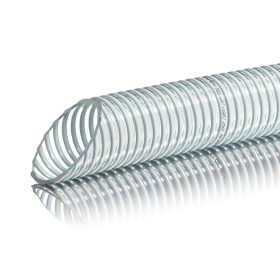
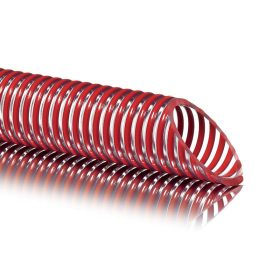
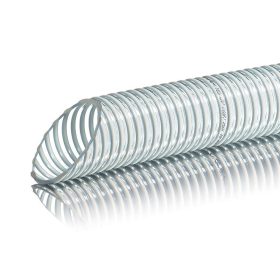
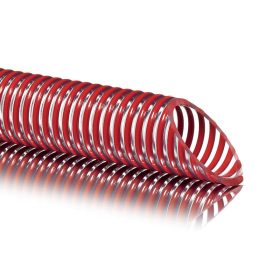
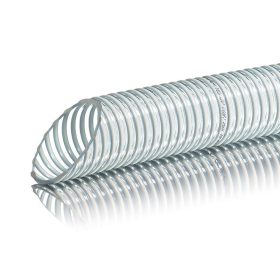
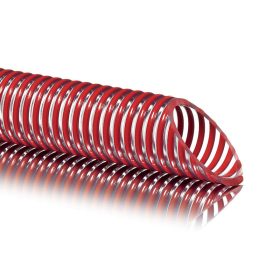
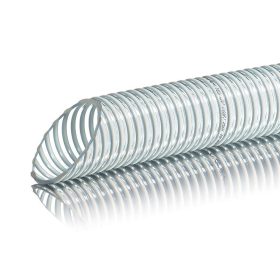
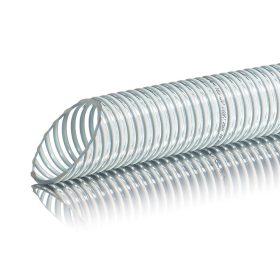
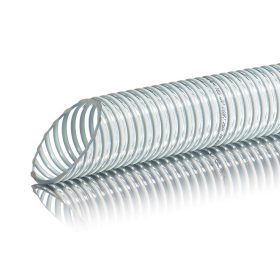
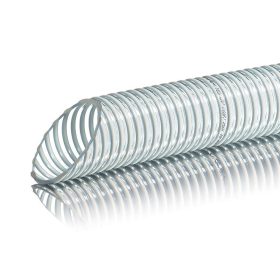
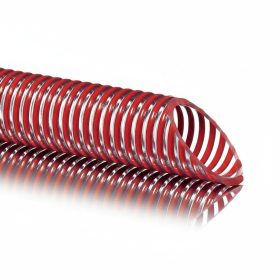
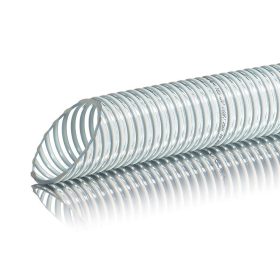
Laryngeal tubes, especially the plastic spiral versions, offer many advantages in winemaking and harvesting activities. Flexibility: One of their most important properties is flexibility, which allows the pipes to be easily bent and moved in tight spaces without breaking or being damaged. Strength and resistance: Thanks to the spiral design, these pipes are extremely strong and resistant to physical influences such as pressure and temperature fluctuations. Easy installation: Due to their light weight, they are easy to handle and install, even for longer pipelines. Versatile application: These throat tubes are not only used in the wine industry, but are suitable for transporting any liquid, be it water, oil or other liquids. Durability: The material from which they are made is resistant to weather conditions and chemical substances, so they ensure a long service life. They are essential tools for winemakers and harvest specialists, which help to increase the efficiency of work processes. Among pipes of different sizes and diameters, everyone can find the one that suits them best, so the system can be customized according to individual needs. Cleaning and maintenance of laryngeal tubes is also easy, which further increases their value in use. Another advantage is that they are made from environmentally friendly materials, so they are also a good choice from a sustainability point of view. For optimal performance, it is important to consider the required diameter and length when purchasing to best fit the intended application area. Plastic spiral throat tubes are reliable companions during winemaking work and contribute to the smooth and efficient conduct of production processes.
