
Carrots are one of the best-known and most loved root vegetables, which stand out not only for their excellent taste, but also for their high nutritional content. It is rich in beta-carotene, which the body converts into vitamin A, contributing to the health of vision and strengthening the immune system. Carrots can be used in countless ways: raw in salads, cooked in soups, pureed or even freshly squeezed juice. In addition, growing carrots is relatively simple, so we can easily grow this versatile vegetable in our own garden.





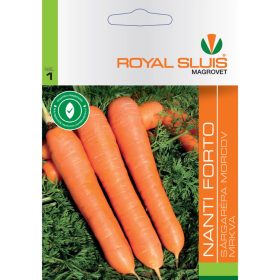





When growing carrots, it is important to consider the quality of the soil and the climatic conditions. Carrots prefer loose, sandy soil that drains well to prevent root rot. At the same time, nutrient-rich soil ensures healthy plant growth. The ideal time for sowing is the beginning of spring, when the soil has already warmed up sufficiently. The seeds should be sown shallowly, about 1 cm deep, and then lightly covered with soil.
Carrot care includes regular weeding and adequate watering, especially during dry periods. Carrots are sensitive to competition from weeds, so it is worth paying attention to the cleanliness between the rows. When watering, make sure that the soil is not too wet, as this can cause the roots to rot.
Harvest is due when the carrots reach the desired size and color. Harvesting too early can result in smaller roots with a less intense flavor, while harvesting too late can damage the taste or texture of carrots. Harvested carrots should be stored in a cool, dry place to preserve their freshness and flavor.
Carrots play an important role not only in the kitchen, but also in agriculture, since quality and proper care are key during the selection and cultivation of seeds. The different varieties offer a variety of colors and flavors that allow farmers to flexibly adapt to market demands. The cultivation and consumption of carrots not only enriches the taste buds, but also the economy.
