

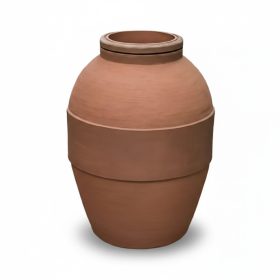
Amphorae are iconic storage vessels in the history of winemaking, which have been used since ancient times to mature and store wine. These traditional clay vessels give the wine a special character, as the porous material allows the wine to breathe while preserving its natural flavor and aroma. The revival of amphorae in modern winemaking is due to the growing demand for natural wines, as winemakers are increasingly looking for authentic aging methods.

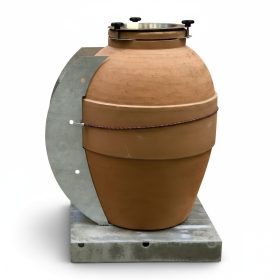
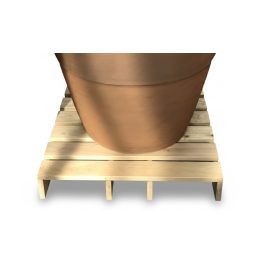
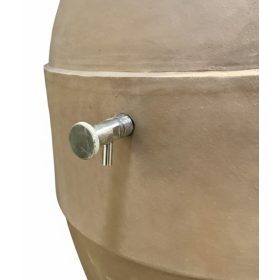
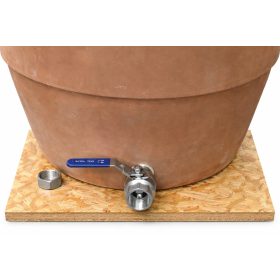
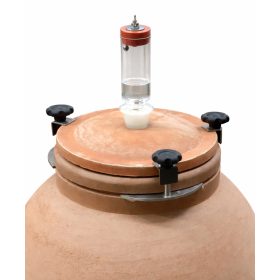
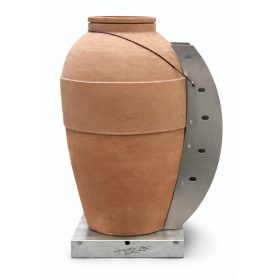
In the world of winemaking, amphorae are becoming more and more popular as a natural aging option. Clay amphorae offer many advantages to winemakers and offer a special experience to wine lovers. The porous structure of the amphorae allows for microoxidation, which subtly affects the development of the wine, without being too exposed to the air. This natural aging process results in a richer, more complex flavor and smooth texture.
Amphoras of different sizes and shapes are adapted to the diverse needs of wines. Smaller amphorae ensure faster maturation, while larger ones are able to preserve the freshness and aromas of the wine for a longer time. Amphoras are often used in organic wineries, where natural and sustainable methods play an important role.
The use of amphorae not only has a positive effect on the quality of the wines, but is also an environmentally friendly solution. Clay, as a natural material, can be easily recycled and does not contribute to environmental damage. This aspect of sustainability is particularly important for modern wineries, where environmental awareness is increasingly emphasized.
Wineries are returning to the roots of winemaking by using amphorae, while combining technology and traditional methods to create unique and special wines. The growing interest in amphorae shows that wineries and wine lovers alike appreciate the benefits of traditional aging methods and are open to innovative solutions.
Discover the world of amphorae yourself and experience the special taste experiences provided by natural aging. Amphoras not only offer new opportunities for wineries, but also offer wine lovers a unique experience that takes them back to the traditional world of winemaking.
