
Malic acid-decomposing bacteria play an important role in regulating the acidity of wines and significantly influence their taste. These special bacteria are used specifically to convert malic acid into lactic acid, which makes the wine smoother and rounder, and reduces the acidic sensation. With this process, not only does the taste of the wine become more pleasant, but it also becomes more stable during storage.


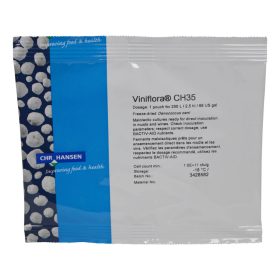

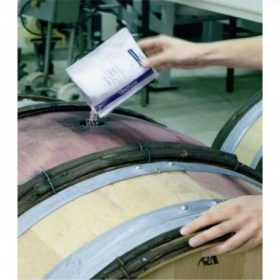


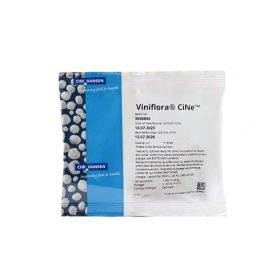
The use of malic acid-degrading bacteria is a key step in winemaking processes, especially for red wines and some white wines. Malolactic fermentation, also known as malolactic fermentation, is a natural way to improve the flavor profile and structure of wine. The malic acid that turns into lactic acid reduces the acidity of the wine, providing a softer and rounder taste experience.
Why is malic acid breakdown important?
- Improving the flavor profile: The lactic acid and other flavors produced during the process contribute to increasing the complexity of the wine.
- Reduction of acidity: The reduction of acidity can be particularly important in years when the grapes have a high acid content, thus helping to achieve a balanced taste.
- Increasing stability: Malolactic fermentation helps to increase the biological stability of wine, reducing the risks of subsequent fermentation.
How to choose the right bacteria?
When choosing the malic acid-decomposing bacteria, it is important to consider the type of wine and the desired flavor profile. Different strains of bacteria have different degrees of effectiveness and affect the flavor profile, so these aspects must also be considered when choosing.
Areas of application
- Red wines: Malic acid decomposition is particularly important in the case of red wines, where softer taste and increased complexity play a prominent role.
- White wines: Also used in certain white wines, especially those where the goal is to enrich the flavor profile.
The use of malic acid-degrading bacteria is therefore not only a technical necessity, but also an art that allows winemakers to fine-tune the taste and character of their wine. By selecting and using the right bacteria, the wines become not only tastier, but also more stable and longer-lived.
