
Enzymes play an important role among vintage materials, as they help optimize winemaking processes. These natural catalysts speed up the biochemical reactions taking place during winemaking, thus ensuring a more efficient and higher quality end result. The use of enzymes in winemaking can not only shorten the winemaking time, but also improve the taste and texture of the wine.


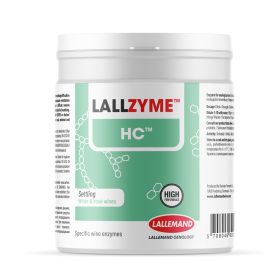


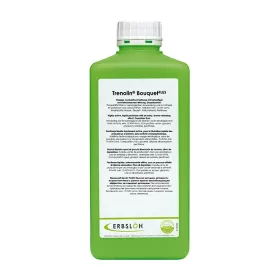


The role of enzymes in winemaking
The use of enzymes in winemaking has many advantages. Primarily, they play a key role during destemming, facilitating the release of colors and flavors from the grape skins. Pectin-degrading enzymes, for example, contribute to the purification of must, so winemakers can obtain cleaner and tastier must.
Types of enzymes and their effects
-
Pectinases: They help to break down the pectins in the grapes, promoting purification and the development of a fuller taste.
-
Cellulases: They promote the breakdown of the cell wall, thus increasing the yield and improving the texture of the wine.
-
Glucosidases: They increase the release of aromas, thus providing a richer taste experience.
How do we use enzymes?
The dosing of enzymes requires careful consideration, as excessive use can negatively affect the final quality of the wine. Different grape varieties and desired wine styles may require different enzyme mixtures, so it is recommended for winemakers to use expert advice.
Sustainability and enzymes
The use of enzymes in winemaking not only improves quality, but also supports sustainable practices. More efficient processing requires less energy and water, which contributes to reducing the environmental footprint.
Tips for using enzymes
- Measurement and dosage: Always measure the amount of enzymes accurately and follow the manufacturer's instructions.
- Experiment: Try different enzyme combinations to achieve the desired flavor profile.
- Storage: Store enzymes in a cool and dry place to maintain their effectiveness.
The use of enzymes in winemaking is not only a supplement to traditional processes, but also their modernization, which enables winemakers to produce the best quality wine in the shortest time.
