
Tannins are natural polyphenolic compounds found in the skins, seeds and stems of grapes. These substances play an extremely important role in winemaking, as they influence the taste, structure and maturity of the wine. The use of tannins allows winemakers to fine-tune the character of wines, making them richer and more balanced.


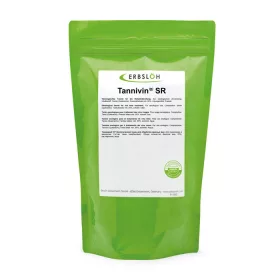


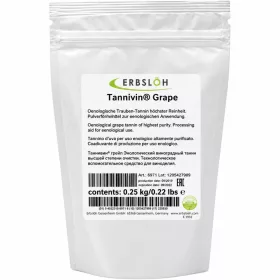


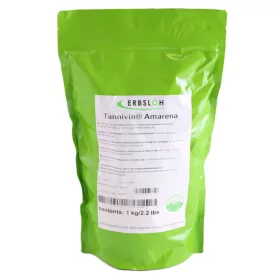


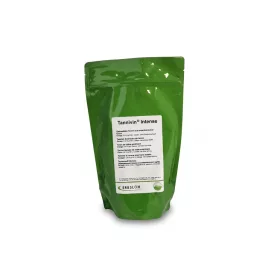
Tannins come in various types and forms, each with different benefits in the winemaking process. One of the most commonly used types is tannin extracted from grapes, which helps preserve the natural flavor and color of the wine. In addition, oak tannins are also popular, which give the wines a rich, woody character, which is especially desirable for red wines.
When using tannins, it is important to consider their quantity and quality, as excessive tannin use can cause bitterness and an astringent feeling in the wine. At the same time, adding the right amount of tannin can help stabilize the wine and reduce microbiological activity, resulting in a longer shelf life.
Tannins are particularly useful in increasing the aging potential of wines. During aging, tannins interact with other compounds, forming complex aromas and flavors, which become more and more refined as the wine ages. Therefore, the use of tannins is crucial not only during the preparation of wine, but also during its aging process.
When choosing winemaking tannins, winemakers take into account the desired style and flavor of the final product. Different tannins produce different effects, so winemakers often experiment with different combinations to achieve the perfect balance. Such a creative approach allows them to create special and unique wines that make tasting an experience.
Overall, tannins are essential tools in the winemaking process, enriching and deepening the wine's character while ensuring its long-term quality and shelf life. By choosing and using the right tannin, winemakers are able to make wines that are not only tasty, but also long-lasting and complex.
